Breathing Life Into Awareness: Lung Cancer Awareness Month
November 13, 2025
By: Riverview Health
Categories: Blogs
Tags: Lung Cancer
Lung Cancer Awareness Month is observed annually in November and highlights the impact of the disease, encourages early detection, and fosters support for those affected. Tragically, lung cancer is the second most common cancer and is also known as the leading cause of cancer deaths in men and women worldwide.
Symptoms to Watch For
Lung cancer often doesn’t show symptoms until it’s advanced. Common signs include:
- Persistent cough
- Shortness of breath
- Chest pain
- Coughing up blood
- Hoarseness
- Unexplained weight loss
Diagnosis and Staging
Diagnosis typically involves:
- Chest X-rays and CT scans
- Biopsies
- PET scans to check for spread
Staging ranges from Stage 0 (localized) to Stage IV (metastatic), which helps guide treatment decisions. Riverview Health provides accessible, low-cost lung screenings (Provider’s order is required) to help identify potential symptoms early and take proactive steps that could save lives. Early detection is key, and we're committed to supporting your health every step of the way.
What is Low dose CT scan?
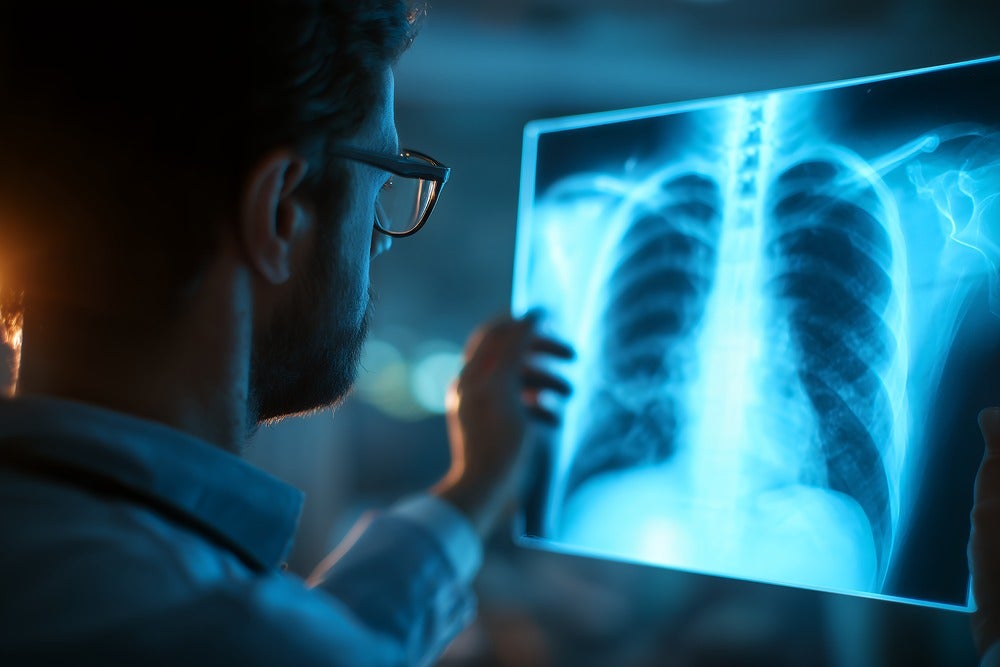
A low-dose CT (LDCT) scan is used to screen people at higher risk (mainly because they smoke or stopped smoking recently) for lung cancer. LDCT scans can help find abnormal areas in the lungs that may be cancer. Research has shown that unlike chest x-rays, yearly LDCT scans to screen people at higher risk of lung cancer can save lives. For these people, getting yearly LDCT scans before symptoms start helps lower the risk of dying from lung cancer.
The screening takes just a few minutes and doesn’t involve medications or needles. Results are interpreted by board-certified radiologists and sent directly to your physician.
Treatment Options
Treatment depends on the type and stage of cancer:
- Surgery: Often used for early-stage NSCLC
- Radiation therapy: Targets tumors directly
- Chemotherapy: Used for both NSCLC and SCLC
- Immunotherapy and targeted therapy: Newer options that boost the immune system or target specific cancer mutations
Prevention and Risk Reduction
While not all cases are preventable, you can reduce your risk by:
- Not smoking or quitting smoking
- Avoiding secondhand smoke
- Testing your home for radon
- Wearing protective gear if exposed to carcinogens at work
- Eating a diet rich in fruits and vegetables
Lung cancer remains a major health challenge, but advances in screening and treatment are improving survival rates. If you're at risk, especially if you have a history of smoking, talk to your doctor about screening options. Awareness and early action can make all the difference.